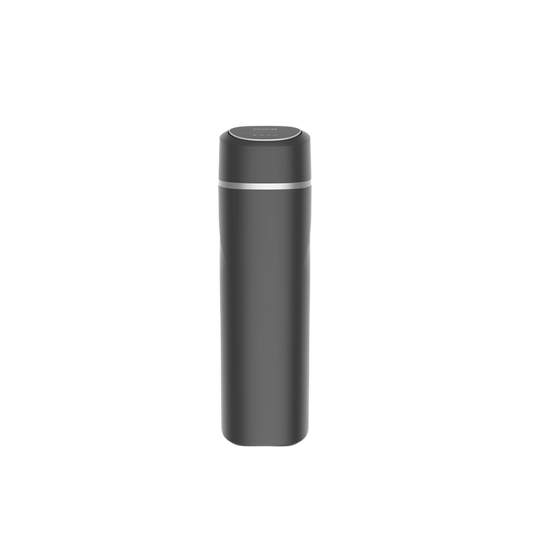
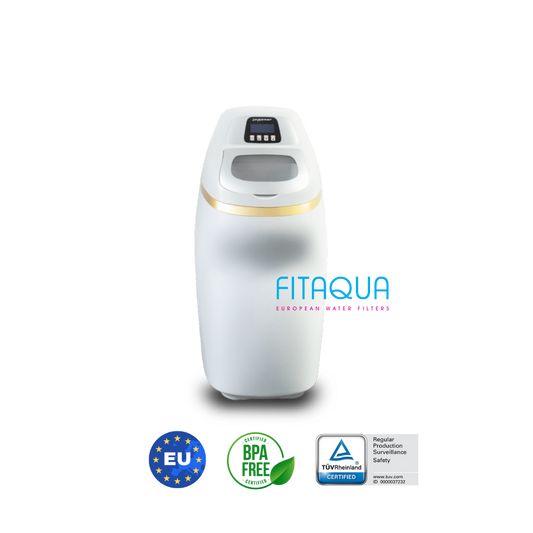
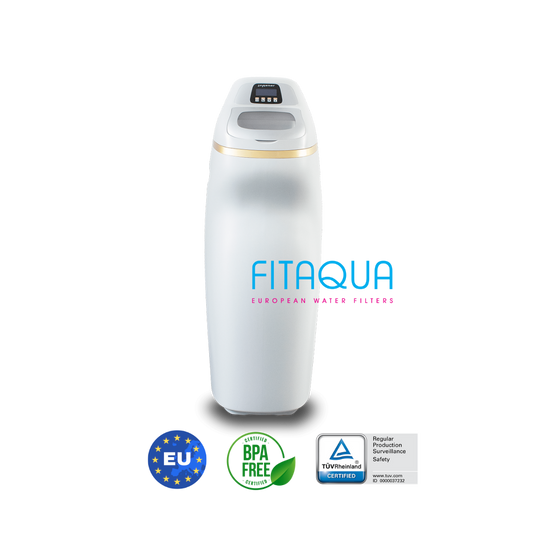
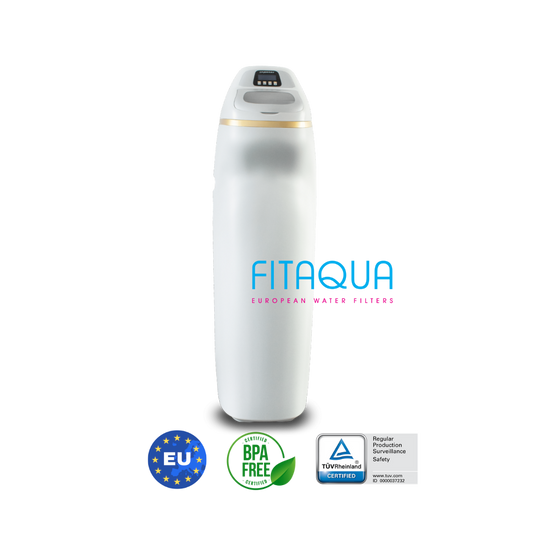
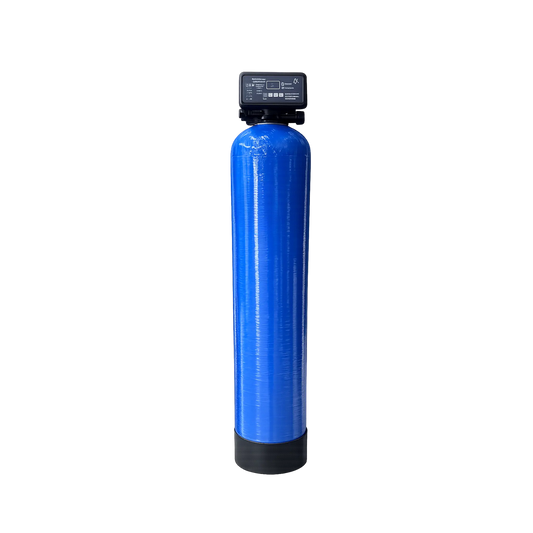
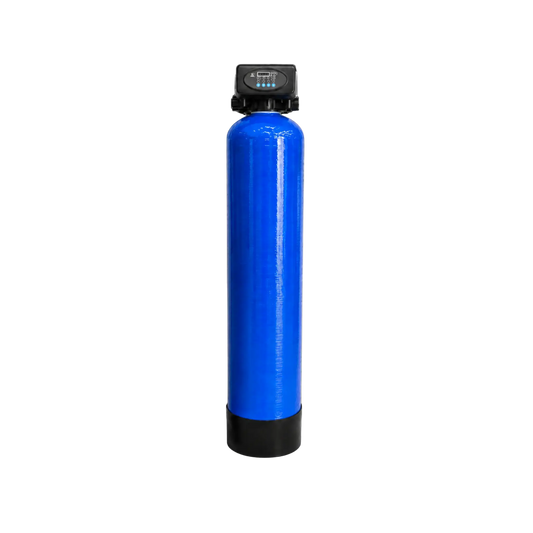
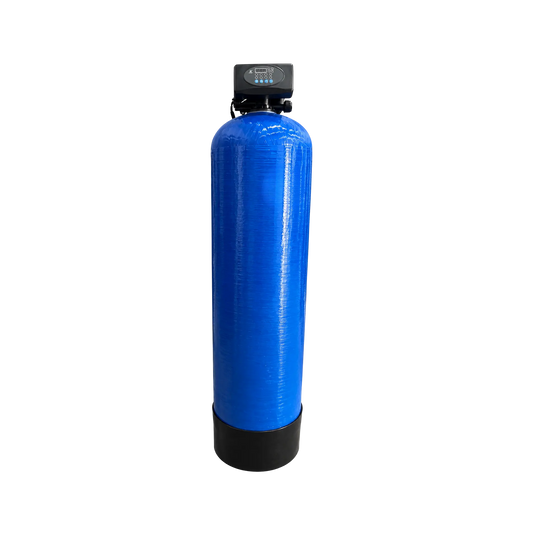
Collection: Water softening systems

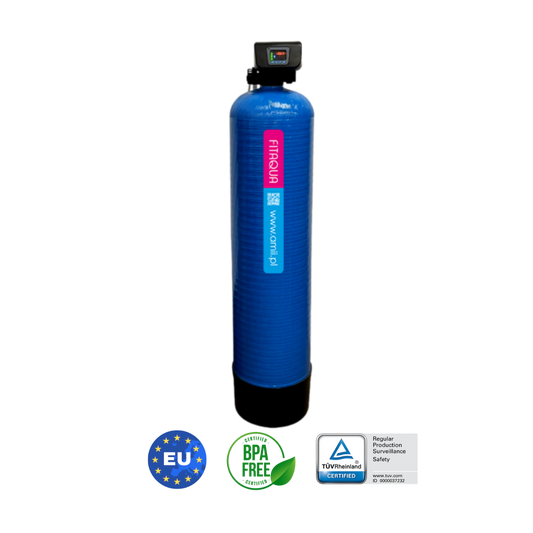
The water softening system is designed to treat hard water containing high amounts of calcium and magnesium ions. As a result of the system's operation, the water becomes soft, which protects household and industrial appliances, pipes and boilers from limescale. Its use extends the life of the equipment, reduces energy consumption and ensures the stability of the water flow. In addition, soft water helps improve the condition of the skin and hair - the skin becomes soft and moisturized, and the hair becomes shinier and easier to care for.

Frequently Asked Questions (FAQ)

A water softening system is a device that reduces water hardness and removes calcium and magnesium ions from water. These minerals are the main cause of limescale, white spots, and damage to appliances.

Water softeners operate on the principle of ion-exchange resin. The system removes calcium and magnesium, which cause hardness, from the water, resulting in softer water that is safer for appliances, pipes, and heating systems.

The water softening system reduces limescale buildup, protecting pipes, boilers, washing machines, heating systems, and other appliances from damage. It also promotes energy efficiency, reduces the consumption of washing and cleaning agents, and improves the daily experience of using water.

You need a water softener if white spots frequently appear on surfaces, limescale builds up on faucets and showers, appliances break down quickly, or the water is clearly hard. Such a system is particularly important where the water has a high calcium and magnesium content.

Soft water protects equipment and pipes, extending their service life and reducing maintenance costs. In addition, soft water is more comfortable for skin and hair, and in commercial facilities, it contributes to the stable and economical operation of equipment.

A water softener should be selected based on water hardness, daily consumption, and the type of facility.